.png "galaSAT")
galaSAT is a significant STEAM project at IES Antonio Gala where students learn science and technology by designing, building, and launching high-altitude balloons.
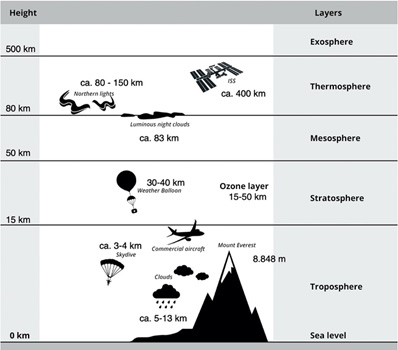
Space, science, and technology are fascinating, and high-altitude weather balloons offer an opportunity to explore the upper layers of our atmosphere. They are so cost-effective for reaching the stratosphere that they are sometimes called the "poor man's space program." These balloons reach altitudes of around 20000 to 35000 meters. This zone is commonly referred to as near space —an area of the Earth's atmosphere located between the Armstrong Limit and the Karman Line.
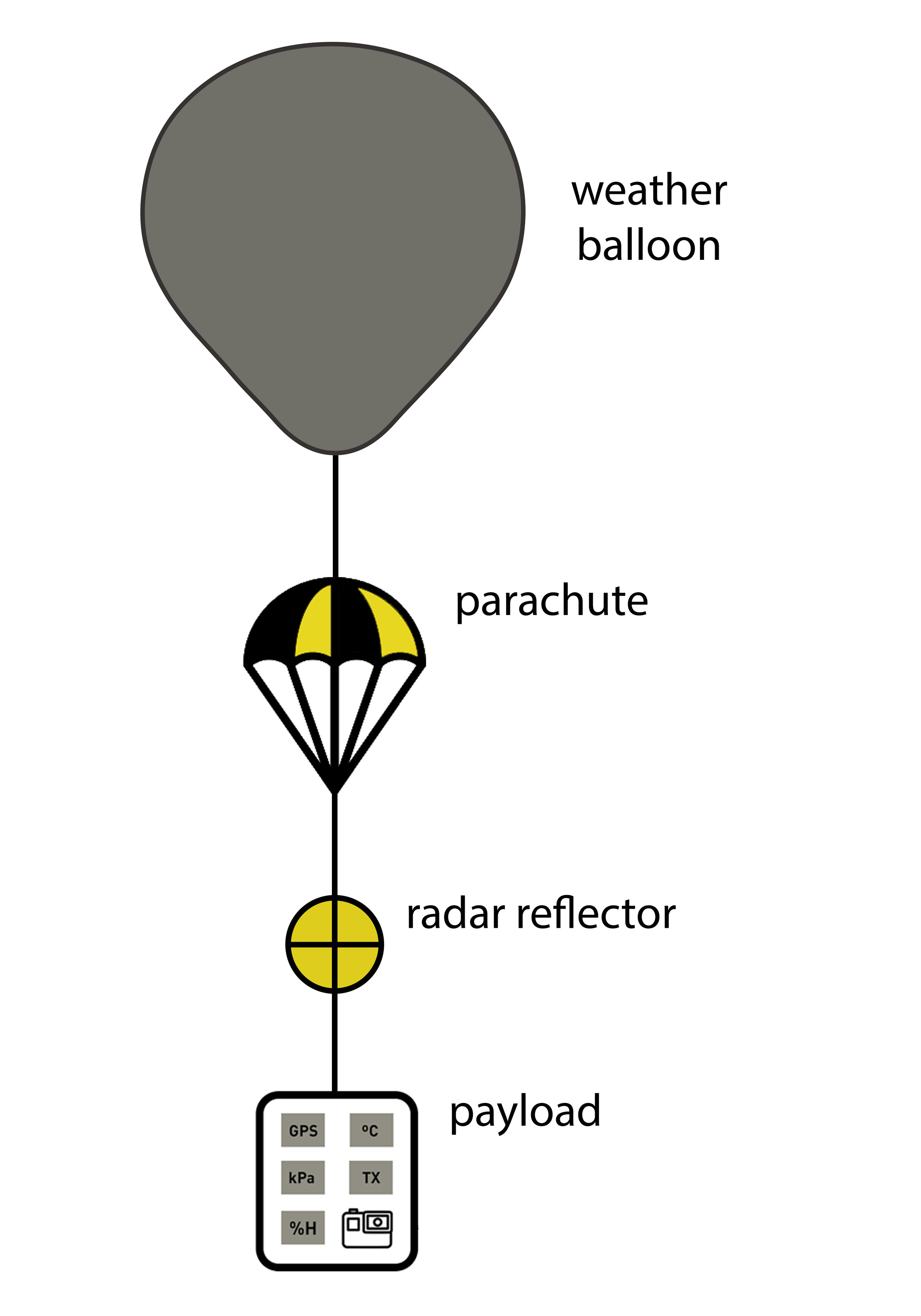
The configuration of high-altitude balloons (weather balloons) is basic: a latex balloon filled with helium or hydrogen, a payload of sensors, and a parachute for recovery. However, this simplicity opens up an exceptional range of training opportunities, as the flights directly involve fields as diverse as earth sciences, meteorology, computer science, engineering, and mathematics. And best of all, when the equipment is recovered, we obtain truly amazing scientific data, photographs, and videos.
Typically, we launch weather balloons weighing between 600g and 1500g with a payload of approximately 2kg. This payload travels through the stratosphere at an altitude of around 30.000 meters. At these altitudes, the weather balloon expands beyond its bursting point due to the reduction in external pressure in the stratosphere. At that point, the balloon bursts, and the payload safely returns to Earth by parachute, transmitting its location continuously throughout the flight.
The payload contains a GPS module to record its position and altitude, radio transmitters (APRS or LoRaWAN) to transmit its location to us, cameras to take photos and videos during the flight, a parachute for safe landing, a radar reflector to ensure aviation safety, as well as other instruments to record in-flight conditions: temperature (external and internal), pressure, relative launch altitude, speed, etc.
We use weather models to predict the landing site in advance and ensure the balloon lands in a safe, uninhabited location. With a bit of luck, we recover the payload on launch day and will have incredible photos and videos of the flight. People can follow our payload's flight through online resources.
The payload varies depending on the objective. The most common is the classic radiosonde launched by the National Weather Service (AEMET), which can measure altitude, pressure, temperature, humidity, wind, and positioning.
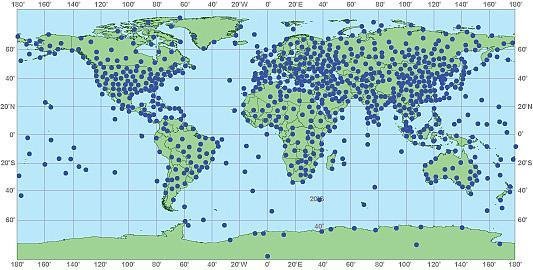
The National Weather Services launch weather balloons two times a day from airports and weather stations. Unlike projects that attempt to recover their payloads to obtain photos/videos, National Weather Services do not typically attempt to recover theirs. They receive all their data via radio transmission. Therefore, you might encounter one of these payloads if you're walking in the woods or on the beach. They usually have an information tag with instructions on how to dispose of the payload or return it to the National Weather Service if they want it back.
The core idea of this website is to track our project's development, share our journey, and motivate others to get involved in their own projects.